Posts

Showing posts with the label PremiumBeef

Filet Mignon Explained: Why This Tender Cut Deserves a Spot on Your Table

Image
There is a reason Filet Mignon tops the menu at nearly every steakhouse in the country. It is the most tender cut of beef you can buy and that tenderness is not marketing.  It comes from the anatomy of the animal, the way the muscle is used (or rather, not used), and the care taken during butchering.  But for something so well-known, most people still have questions about what filet mignon actually is, how to cook it, and whether it is worth the price. Here is the full breakdown. Where Filet Mignon Comes From? The filet mignon is cut from the tenderloin, a long, narrow muscle that runs along the spine of the cow. This muscle does very little work during the animal’s life, which is exactly why the meat is so soft.  Muscles that work hard like the legs and shoulders develop tough connective tissue. The tenderloin stays relaxed, and the result is a cut with almost no gristle or chewiness. A whole beef tenderloin roast can weigh between 5 and 8 pounds. The filet mignon come...

What is Marbling: The Key Factor for the Best Steak

Image
When you think about a perfect steak, what comes to your mind? Is it the juicy, melt-in-your-mouth tenderness? That rich flavor that makes you savor every bite? The secret behind all this is marbling, the beautiful white flecks of fat you see woven on the red meat. This is what distinguishes an ordinary cut from the richest well-marbled bone in ribeye steak , or even a tender filet mignon steak. In this blog, we’re diving deep into what marbling really means, why it matters, and how recognizing it can make you a better beef shopper and cook.  What Is Marbling? Simple, But Powerful Marbling refers to the thin streaks of fat inside the muscle, the intramuscular fat that appears as white veins running through the red meat. This fat is different from the outer fat that butchers trim away. Instead, it’s embedded deep within the muscle fibers, like little pockets of buttery richness. The more marbling a steak has, the more flavor and juiciness you get when cooking.  This fat melts ...

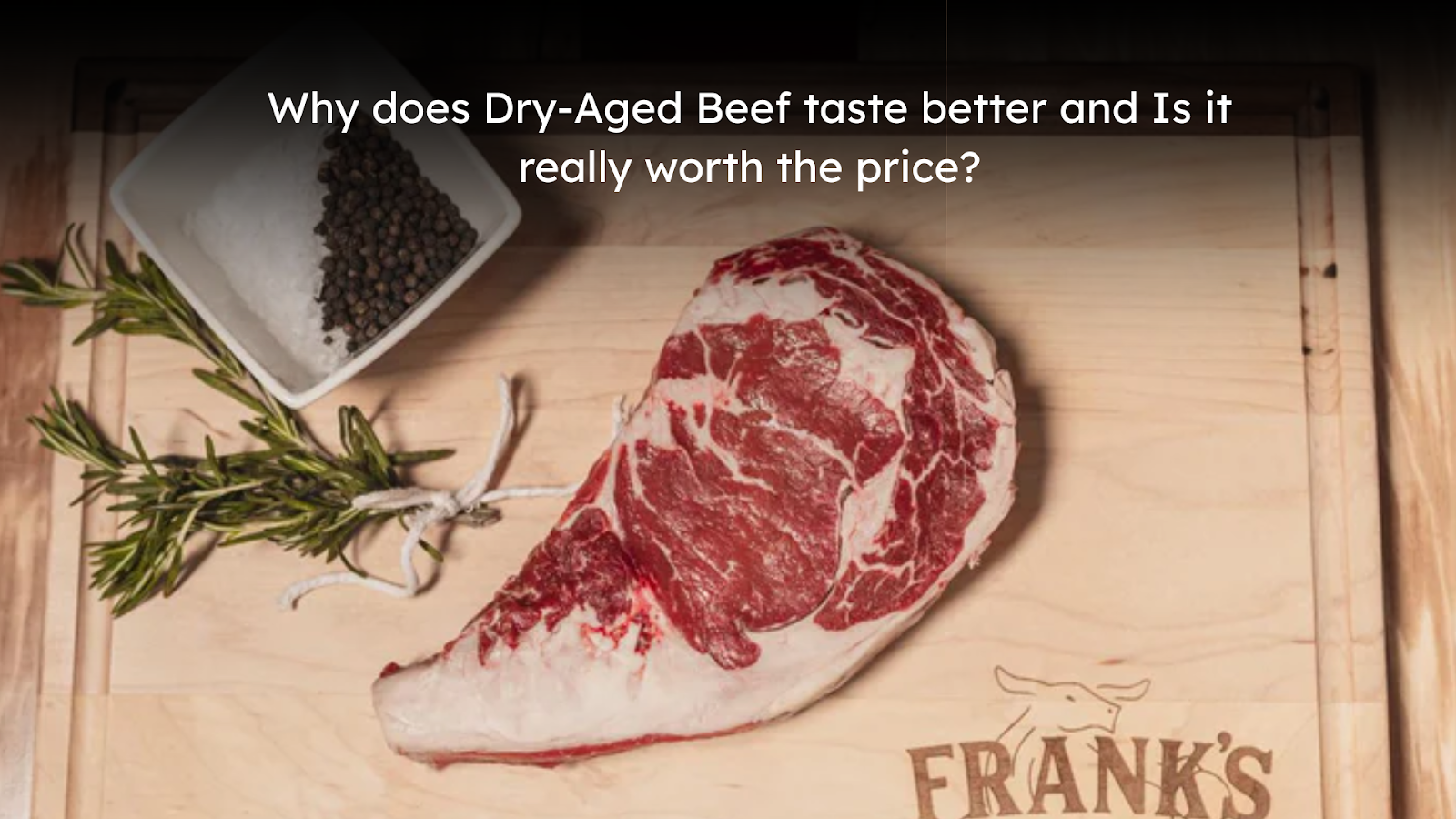
Why does Dry-Aged Beef taste better and Is it really worth the price?

Image
Have you ever heard someone talk about dry-aged beef and wondered what makes it so special? Maybe you’ve seen it on a menu at a fancy steakhouse or noticed the higher price at your local butcher. You might be thinking, “Is dry-aged beef really worth the extra money?” or “What does it even taste like?” If you’re curious, you’re at the right place! Let’s explore what makes dry-aged beef different, why it tastes so good, and if it’s truly worth the price. What Is Dry-Aged Beef? Dry-aged beef is not just any regular beef. It’s a special process where large cuts of beef are stored in a cool, controlled place for several weeks. This isn’t just leaving meat in the fridge. The temperature, humidity, and air flow are all carefully watched to make sure the beef ages just right. During this time, two important things happen: • The beef loses water, making the flavor stronger. • Natural enzymes in the meat break down the muscle, making it more tender. After a few weeks, the outside of the beef ge...