Filet Mignon vs Ribeye: Which Steak Is Better?
Two steaks. One is a butter-soft cut you can slice with a fork. The other is a deeply marbled, juice-dripping slab that tastes like the grill itself.

Both sit at the top of almost every steakhouse menu, and both come home with loyal fans who swear their favorite is the only real choice.
The truth is that ribeye and filet mignon come from very different parts of the cow, which is why they taste, cook, and feel so different in the mouth.
This guide cuts through the noise and lays out exactly what sets them apart from price and texture to the best cooking method for each. By the end, picking between the two will feel obvious instead of stressful.
Where Does Each Cut Come From?
Filet mignon is cut from the tenderloin, a long, slender muscle that runs along the cow’s back. Because this muscle does almost no work during the animal’s life, it’s incredibly soft and has very little connective tissue. A beef filet mignon is the most tender cut of beef you can put on a plate.
Beef ribeye steak comes from the rib section, specifically the upper rib area between the shoulder and short loin. This part of the cow carries a heavy dose of intramuscular fat, giving the cut its signature marbling.
That marbling melts while cooking and bastes the meat from the inside out, which is where the deep flavor comes from.
Nutrition Comparison (Per 3-oz Serving)
• Filet mignon: ~180 calories, 8g fat, 23g protein
• Ribeye: ~220 calories, 15g fat, 20g protein
Filet is the leaner choice, making it a go-to for diners who watch their fat intake. Ribeye brings more calories but also more flavor per bite, which is why people often find it more satisfying in smaller portions.
Filet Mignon vs Ribeye: Side-by-Side Comparison
How to Cook Each Cut Right
Filet Mignon
Because filet has so little fat, the main job when cooking it is to protect moisture. Pan-searing in butter is the classic approach.
→ Sear both sides in a hot skillet
→ Baste with butter, thyme, and garlic
→ Pull at 125°F for medium-rare.
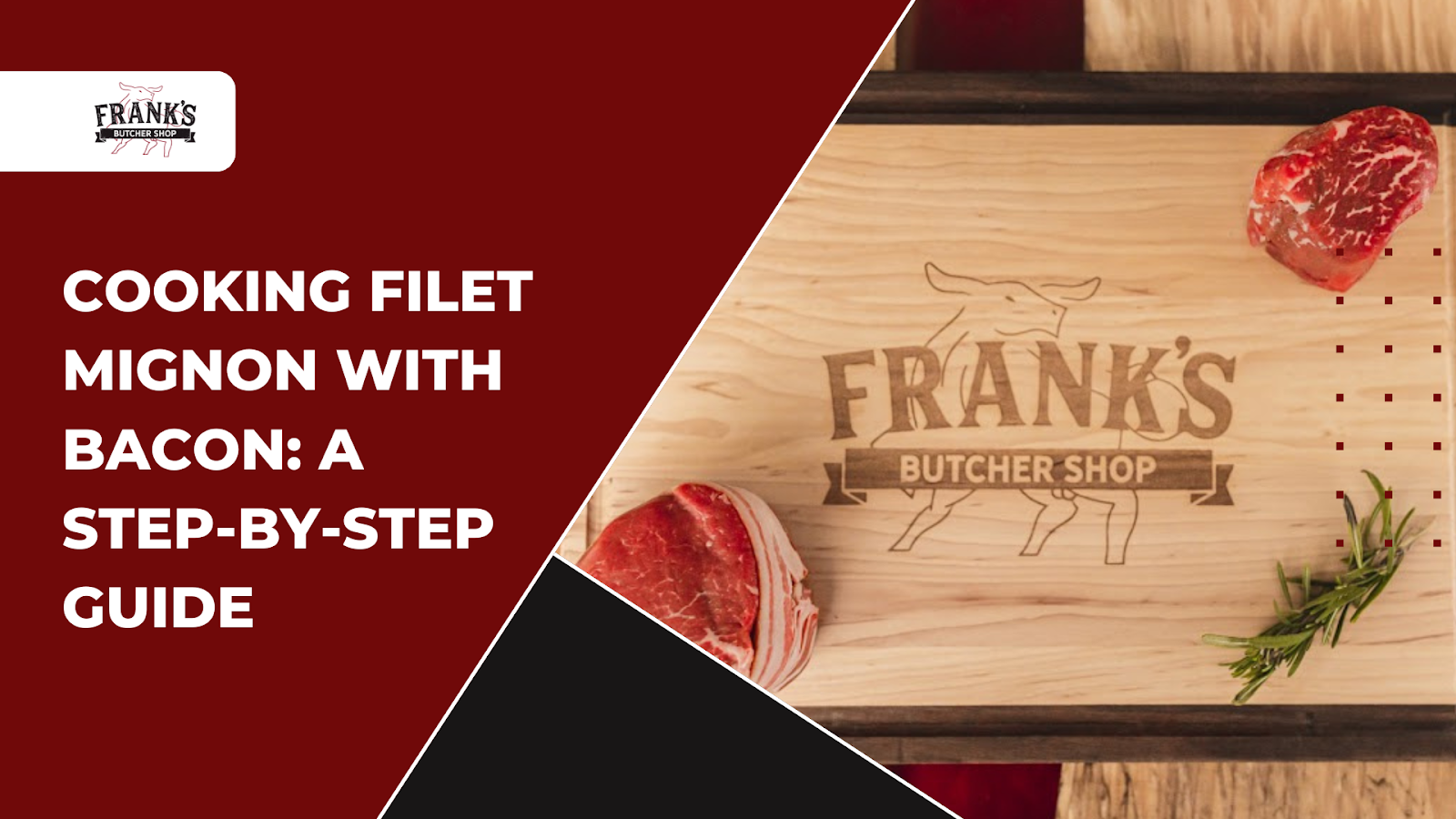
For extra flavor without sacrificing the tender profile, a filet mignon with bacon wrap adds a smoky, savory note that balances the mild interior beautifully. Pulling the meat at the right moment and resting it under loose foil keeps every bite tender.
Ribeye

Ribeye thrives on high heat. A screaming hot cast-iron pan or an open grill caramelizes the exterior fat and builds that crust everyone loves. Because the marbling self-bastes, you don’t need to be as careful about moisture; this steak is forgiving by design.
For a more visual showstopper, a beef tomahawk steak is essentially a ribeye with the full rib bone left long and frenched. It’s built for sharing and reverse searing, and it delivers all the ribeye flavor in a dinner-party-ready form.
Pairing Ideas That Complement Each Cut
For Filet Mignon
→ Creamy gratin potatoes or truffle mash
→ Pan-seared asparagus with lemon butter
→ Red wine reduction or classic béarnaise
→ A refined Pinot Noir or Merlot
For Ribeye
→ Grilled corn, charred peppers, or smoky baked beans
→ Roasted fingerling potatoes with rosemary
→ Simple chimichurri or a bold steak sauce
→ Cabernet Sauvignon or a full-bodied zinfandel
Storage and Freshness Tips
Premium cuts deserve a little extra care once they reach your kitchen.
• Keep raw steaks refrigerated at or below 40°F and cook within 3 days of purchase.
• For longer storage, vacuum-seal and freeze for up to 6 months.
• Always thaw in the fridge overnight, never on the counter.
If you’re buying in bulk, well-curated beef packages and freezer-friendly portions help you stretch quality meat across weeks of meals without sacrificing freshness.
Quick Answer: Which Is Better?

Filet mignon is the more tender steak with a mild, elegant flavor and virtually no chew.
Ribeye is the richer, beefier option with deep marbling and a bolder, more indulgent taste. If tenderness matters most, go filet. If flavor is the priority, ribeye wins.
Frequently Asked Questions
Q: Which is better, filet mignon or ribeye?
A: Filet mignon is the most tender steak you can buy, while ribeye has more flavor thanks to its marbling. If tenderness wins your vote, pick filet; if flavor matters more, pick ribeye.
Q: Is ribeye more expensive than filet mignon?
A: Usually no. Filet mignon costs more per pound because the tenderloin is smaller. Ribeye is priced higher than most cuts but still sits below filet in most butcher shops.
Q: Which cut is best for grilling?
A: Ribeye. Its high fat content handles high grill heat beautifully and self-bastes while cooking. Filet performs better in a pan-sear or finished with butter.
Q: Which steak is healthier?
A: Filet mignon is leaner with fewer calories and less fat. Ribeye has more flavor-giving fat, making it the more indulgent pick.
Q: What is the best doneness for each?
A: Medium-rare (130°F) is ideal for both. Filet dries out quickly if overcooked, while ribeye loses its best flavor past medium.
Choosing the Right Steak for the Moment
Filet mignon and ribeye each bring something unique to the table, one delicate and tender, the other rich and flavorful.
Both have their place depending on the occasion, whether it’s an elegant dinner or a casual weekend grill. Picking the right cut can set the tone for the meal without extra effort.
At Frank’s Butcher Shop, we offer a selection of dry-aged, Wyoming-raised filet and ribeye that makes it easy to find the right fit for any dinner.

Comments
Post a Comment