5 Best Ways to Cook Beef Flat Iron Steak That You’ll Love
A good steak dinner doesn’t need an expensive cut or a fancy grill setup. Some of the tastiest steaks on earth come from cuts that most home cooks overlook, and the flat iron sits right at the top of that list.

It’s tender, deeply beefy, budget-friendly, and forgiving on the stove or grill, which is exactly why butchers love recommending it.
This guide walks through the five cooking methods that genuinely bring out the best in this underrated cut.
By the end, you’ll know exactly how to cook a flat iron steak that rivals anything a restaurant plates up.
What Makes Flat Iron Steak So Special?
Cut from the top blade in the shoulder, flat iron is the second most tender cut of beef after the tenderloin. It has a beautifully even shape, fine marbling, and a rich, meaty flavor that holds up to simple seasoning or bold marinades with equal grace.
This is why a well-chosen beef flat iron steak earns its place on weeknight tables and dinner parties alike. It cooks fast, slices beautifully, and pairs with just about every side you can imagine.
If you’ve been relying only on ribeye or strip, this cut is the quiet upgrade your rotation has been missing.
5 Best Ways to Cook Beef Flat Iron Steak are as Follows:
1. Cast-Iron Pan Sear: The Weeknight Hero
If there’s one method every home cook should master, this is it. A hot cast-iron skillet produces the kind of deep brown crust that makes a steak taste like it came from a chophouse.
Quick Method
Pat the steak bone-dry and season generously with salt and pepper.
• Heat cast iron over high flame until it just begins to smoke.
• Add a splash of neutral oil, then lay the steak down, don’t move it.
• Sear 3 minutes on side one, flip, add butter, garlic, and thyme, then baste for another 2–3 minutes.
• Pull at 125°F internal for medium-rare and rest for 5 minutes.
This method rewards dry meat, searing-hot metal, and patience. Done right, it turns a simple best flat iron steak into a plate that hushes the table.
2. Grilling Over High Heat: Smoky, Fast, Crowd-Friendly

Outdoor grilling is where this cut really shows off. The thin profile means a grilled flat iron steak cooks in under 10 minutes, leaving you with charred edges and a juicy pink center.
Grill Steps
• Preheat your grill to high (around 500°F at the grates).
• Brush the steak lightly with oil and season just before grilling.
• Place on direct heat, cook 3-4 minutes, flip once, cook another 3 minutes.
• Let it rest on a warm plate while you plate the sides.
A clean grill and a well-oiled grate are what separate great marks from a torn-up steak. Keep tongs on hand and resist the urge to flip more than twice.
3. Oven Broil: Indoor Steak With a Real Crust
No grill, no problem. The broiler mimics direct fire by concentrating heat from above, delivering a crust that most ovens can’t.
• Move your oven rack to the top position and preheat the broiler for 10 minutes.
• Rest the steak on a wire rack set over a sheet pan so heat circulates.
• Broil for 4-5 minutes per side, watching closely at the end.
• Transfer to a plate, tent loosely with foil, and rest.
This approach works beautifully in winter when nobody wants to stand outside by the grill. It also keeps cleanup minimal, a sheet pan, a rack, and you’re done.
4. Reverse Sear: For Edge-to-Edge Pink Perfection
Thicker cuts benefit from a slower, two-stage approach. Reverse searing gently warms the inside before locking in the crust at the very end.
• Preheat the oven to 275°F.
• Season the steak and roast it on a rack until the internal temp hits 110°F (about 25-30 minutes).
• Finish in a ripping-hot cast-iron skillet for 60 seconds per side.
• Rest briefly, the heat is already evenly distributed.
The result is rose-pink from edge to edge with a deep, caramelized crust. It takes a little longer, but the payoff is steakhouse-level consistency.
5. Sous Vide Plus Sear: Foolproof, Restaurant-Level
If you’ve ever overcooked a steak out of nerves, sous vide will change your life. Cooking the meat in a temperature-controlled water bath eliminates guesswork entirely.
• Season, vacuum seal, and cook in a 130°F bath for 1 to 2 hours.
• Remove, pat completely dry, and sear in hot oil for 45 seconds per side.
• Slice against the grain and serve immediately.
You get the tenderness of a tenderloin at a fraction of the price. For entertaining, it’s unbeatable because the timing is entirely in your control.
The Step Nobody Talks About: Slicing Against the Grain
Flat iron has visible muscle fibers running in a clear direction. Slicing with the grain makes even a perfectly cooked steak feel chewy. A clean cut across those fibers at a slight angle, shortens them dramatically and produces meltingly tender bites.
What to Serve With It

This cut plays well with almost anything, but a few combinations stand out:
• Roasted baby potatoes with rosemary and sea salt
• Garlic-sautéed green beans or asparagus
• A simple chimichurri or compound butter for spooning over the slices
• A bright red wine or crisp lager to balance the richness
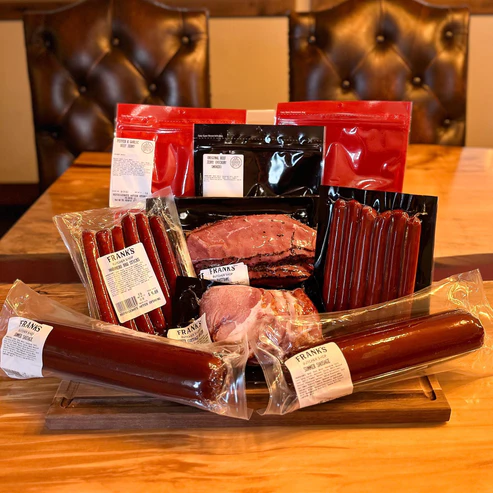
For cooks who want variety in their weekly rotation, a curated beef bundle lets you try flat iron alongside other butcher favorites without committing to full portions of each.
Frequently Asked Questions
Q: What is the best way to cook beef flat-iron steak at home?
A: The best all-around method is a hot cast-iron sear. It delivers a steakhouse crust in under 10 minutes and needs only salt, pepper, and a little butter.
Q: How long should I cook flat iron steak for medium-rare?
A: For a 1-inch cut, aim for 3 minutes per side over high heat. Pull at 125°F internal and let it rest; carryover will take it to 130°F.
Q: Should flat iron steak be marinated before cooking?
A: It doesn’t need one, but it takes a marinade beautifully. A quick 1–2 hour soak in olive oil, garlic, and herbs amplifies flavor without masking the cut’s natural taste.
Q: Is flat iron the same as skirt or flank steak?
A: No. Flat iron is from the shoulder and is noticeably more tender than skirt or flank, which come from tougher belly muscles.
Q: Why slice against the grain?
A: Cutting across the muscle fibers shortens them, which makes each bite far more tender without changing the cook.
Making the Most of Your Flat Iron Steak
Once you get the hang of cooking flat iron steak, it quickly becomes a reliable choice for everything from a weekday dinner to weekend grilling.
It’s quick and delivers a taste that feels premium without the premium price. Whether you pan-sear, grill, or broil, give this cut the attention it deserves, and you’ll have a new favorite on the table in under twenty minutes.
For those interested in Wyoming-raised steaks, at Frank’s Butcher Shop, we offer a variety of cuts where quality starts at the source.

Comments
Post a Comment