Why Does Steak Shrink When You Cook It? 5 Easy Fixes
A steak that goes into the pan looking plump and comes out half its original size is frustrating. You paid for a certain weight, seasoned it well, and did everything you thought was right and still ended up with a thinner, tougher piece of meat than you started with.

Shrinkage isn’t random. It comes from a handful of specific issues, and most of them are easy to fix once you know what to look for.
This guide explains why steak contracts during cooking, how much shrinkage is normal, and the five small changes that keep your meat closer to its original size, juicier, and better tasting.
The Science Behind Steak Shrinkage
All meat contains water roughly 70% by weight for raw beef. When heat hits the surface, two things happen at once.
• Muscle fibers tighten and squeeze out moisture.
• Fat begins to render, pulling liquid from between the fibers.
Some shrinkage is always going to happen, usually 15 to 25% by weight and a little less by size. The goal isn’t to stop it; it’s to keep it within the normal range instead of losing 40% of your steak to the pan.
How Much Shrinkage Is Normal?
• Rare to medium-rare: about 15–20% loss in weight
• Medium: around 20–25%
• Well-done: 25–35% or more
If your steak is losing more than a third of its size, one of the five problems below is almost certainly the culprit.
Fix 1: Dry the Surface Before Cooking
Wet meat steams instead of sears. Instead of caramelizing the exterior in 60 seconds, the water on the surface boils off first and every minute your steak spends boiling is a minute the interior is still losing moisture.
How to Fix It
→ Pat both sides dry with paper towels right before cooking.
→ For extra insurance, place seasoned steaks uncovered in the fridge for 30 minutes to draw out surface moisture.
→ Let the salt do its work; seasoning 40 minutes ahead of time lets moisture pull out and then reabsorb into the meat.
This single step is often the difference between a flat, gray-edged steak and a proper seared crust. Works for any cut, from a weeknight new york strip steak to a weekend ribeye.
Fix 2: Start From Room Temperature
Taking a cold steak straight from the fridge into a hot pan forces the exterior to overcook while the interior is still climbing to a safe temperature. That temperature gap is where a lot of shrinkage happens.
→ Pull steaks from the fridge 30–40 minutes before cooking for thinner cuts.
→ Give thicker cuts up to 60 minutes to fully come to room temperature.
→ Skip this with ground meat or sausage; those need to stay cold.
A warm steak cooks more evenly, spends less total time in the heat, and holds on to more juices. For a classic beef flat iron steak or any other premium cut, this is non-negotiable.
Fix 3: Use the Right Heat, Not Just High Heat
High heat is important for a crust, but cranking a pan until it smokes and leaving it there for minutes at a time is how steaks end up as leather. Heat control matters more than heat volume.
A Smarter Heat Strategy
→ Preheat cast iron for 3–5 minutes over medium-high, not until the oil is smoking heavily.
→ Sear 2–3 minutes per side, then lower heat to medium to finish.
For thicker cuts, use the reverse sear: gentle oven first, hard sear last.
This is especially helpful for cuts with less fat to spare, like a beef loin ny strip steak, where blasting heat can quickly push moisture out before the interior is ready.
Fix 4: Flip Less, Poke Less, Press Never

Every press with a spatula literally squeezes moisture out. Every extra flip interrupts crust formation and lengthens cooking time. Every poke with a fork creates a channel for juices to escape.
→ Flip once, or twice at most, during a typical sear.
→ Use tongs instead of a fork, no perforation, no leakage.
→ Resist the urge to press with a spatula; it does not cook faster.
→ Let the steak release on its own. If it sticks, it’s not ready to flip.
This rule applies whether you’re working with a tender center cut beef tenderloin or any other cut. Treat the steak gently and it rewards you by staying large, juicy, and evenly cooked.
Fix 5: Stop Cooking Before You Think You Should
The single biggest cause of extreme shrinkage is overcooking. Past medium-rare, the collagen in the meat starts breaking down aggressively and water is forced out in large amounts. Past medium-well, meat can lose a third or more of its weight.
Use a Meat Thermometer
• Rare: 120°F
• Medium-rare: 130°F
• Medium: 140°F
• Medium-well: 150°F
• Well-done: 160°F and above
Pull steaks about 5°F below your target and let carryover cooking finish the job during rest. You’ll keep more weight in the meat, and the bite will be juicier than anything forced through the full cook.
Cut Quality Also Plays a Role
Not every steak reacts the same way to heat. Cuts with better marbling hold moisture longer because fat acts as an internal baster. Lean cuts need more care because there’s less fat cushion to protect them.
A well-marbled coulotte roast, for instance, shrinks less than a completely lean cut at the same cook level. The same holds true for beef sirloin roast and other whole-muscle pieces; higher marbling translates to better moisture retention.
What About Ground Beef?

Ground meat shrinks for a slightly different reason, the fat melts and escapes rather than bastes the inside. For a better gourmet beef patty or to keep fresh ground beef patties from shrinking into hockey pucks, keep the mix cold, handle it as little as possible, and press a shallow dimple into the center of each patty before cooking.
It counteracts the natural doming that forces liquid out the sides.
For a deeper dive into tenderizing techniques before cooking, Frank’s in-depth marinating guide covers the ingredients, timing, and mistakes that also affect how your meat holds moisture.
A Simple Pre-Cook Checklist
Before the steak hits the heat, run through these five seconds of mental prep:
→ Is the surface dry?
→ Is the steak at room temperature?
→ Is the pan preheated but not smoking violently?
→ Is the thermometer within arm’s reach?
→ Is there a warm plate ready for the rest?
This 15-second routine saves more steaks than any fancy technique can.
Frequently Asked Questions
Q: Why does my steak shrink so much when I cook it?
A: Shrinkage is driven by heat, forcing water and fat out of the muscle. Cooking at too high a temperature, overcooking, or starting with wet or cold meat all push shrinkage beyond the normal range.
Q: How much shrinkage is normal for steak?
A: Expect 15–25% weight loss for medium-rare. Anything over 30% usually points to overcooking or a problem with heat management.
Q: Does marinating help prevent shrinkage?
A: A mild acid-based marinade helps slightly by loosening protein structure, but the biggest gains come from dry surface, a room-temperature start, and careful heat control.
Q: Should I cover the steak while cooking?
A: Only briefly for thicker cuts after searing. Covering too early traps steam and prevents crust formation, and a steak that steams loses more moisture, not less.
Q: Does resting affect shrinkage?
A: Yes. Resting lets juices reabsorb into the fibers, so you lose less liquid when you cut into the steak. A rested steak looks bigger and tastes juicier.
Keeping Your Steak Perfect
Steak naturally shrinks as it cooks, but a few simple habits like drying the surface, warming the meat, controlling heat, flipping carefully, and pulling at the right moment can make a big difference.
These small steps help preserve flavor, juiciness, and the value of a good cut.
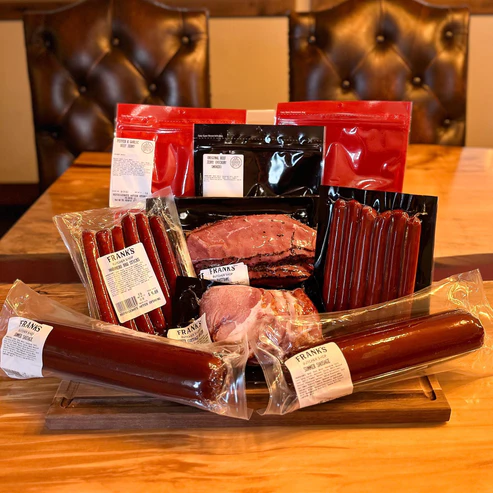
Starting with hand-trimmed steaks, ground beef, or specialty selections, like those in Frank’s Butcher Shop collection, ensures you’re building your meal on quality from the start.

Comments
Post a Comment