Beef Jerky Shelf Life: Storage Rules and Signs It's Gone Bad
Beef jerky has a reputation for lasting almost forever in a pantry, and for the most part, that reputation is earned. But "shelf-stable" doesn't mean "lasts forever no matter what," and knowing the real storage rules keeps you from either tossing good jerky too early or eating a bag that's actually turned.

Frank's Butcher Shop's Beef Jerky (Original Flavor) is dried the traditional way, which is exactly what gives it that long shelf life in the first place. Here's how long jerky actually lasts, how to store it properly, and the signs that tell you it's time to toss a bag.
Why Beef Jerky Lasts So Long
Jerky's long shelf life comes down to one process: drying. Beef jerky starts as lean beef that's sliced, seasoned, and then dried at low heat until most of the moisture is gone. That moisture removal is what preserves the meat, since bacteria and mold both need moisture to grow and spread. Less moisture in the finished product means a much longer window before the meat spoils, which is why jerky has been used as a preserved food for so long.
That's also why jerky doesn't need refrigeration to stay safe before it's opened. Frank's own breakdown of what makes their jerky worth snacking on notes that it's shelf-stable, so it's ready whenever you are, no fridge required, whether that's in a pantry, a gym bag, or a backpack on a trail. It's part of what makes jerky such a practical snack compared to fresh meat, which needs constant refrigeration to stay safe.
How Long Does Beef Jerky Actually Last?
The honest answer depends on whether the bag has been opened.
Unopened, store-bought jerky can last for months without needing refrigeration. The drying process combined with the sealed packaging keeps air and moisture out, which is what lets it sit on a shelf that long without spoiling. This is one of the reasons jerky works so well for stocking a pantry ahead of a trip, rather than something you have to buy right before you need it.
Once you open the bag, the clock starts moving faster. Exposure to air brings moisture back into contact with the jerky, and that's when spoilage can begin. Frank's own dietitian breakdown of beef jerky recommends transferring opened jerky into an airtight container and eating it within about a week for the best quality and safety. Storing it loosely in an open bag or a container that isn't sealed well shortens that window considerably, since air keeps working against the jerky the whole time it sits out.
Beef Jerky vs. Other Shelf-Stable Snacks
If you're comparing jerky to other shelf-stable meat snacks, it's worth knowing they're not all identical on this point. In a side-by-side look at snack sticks and beef jerky, beef jerky comes out with the longer shelf life of the two, which lines up with jerky's usually lower fat content compared to a snack stick. Both are shelf-stable and don't require refrigeration until opened, but that leaner profile is likely part of why jerky holds up a bit longer once you factor in time on the shelf.
That doesn't mean snack sticks are a bad choice, just that if long-term storage is your priority, jerky has a slight edge.
How to Store Beef Jerky the Right Way
A few simple habits go a long way toward getting the most out of a bag of jerky.
Keep it in an airtight container once opened. A resealable bag with the air pressed out, or a container with a tight-fitting lid, keeps moisture and air away from the meat far better than a loosely folded bag left twisted shut on a shelf.
Store it in a cool, dry place. Heat and humidity speed up spoilage, so a pantry shelf away from the stove or a sunny window is a better spot than a hot kitchen counter, especially in summer months.
Avoid the fridge unless you plan to keep it a long time. Refrigeration isn't necessary for shelf-stable jerky, though it won't hurt it either. If you want to extend an opened bag's life significantly, the freezer is a better option than the fridge; well-sealed jerky can be frozen and thawed later without much change in texture, which makes it a good way to stock up without worrying about waste.
Keep flavors separate if you're storing multiple bags. Stronger flavors, like a maple jalapeno or teriyaki jerky, can transfer scent to milder ones like the Original flavor if they're stored together in the same open container for too long.
Signs Your Beef Jerky Has Gone Bad
Jerky's long shelf life doesn't mean it's immune to spoiling, especially once it's been opened. A few warning signs mean it's time to toss it rather than risk eating it.
Visible mold is the clearest sign. Any fuzzy spots, white or colored, mean the jerky should be thrown out immediately, no matter how small the spot looks or how good the rest of the piece appears.
An off or sour smell is another red flag. Fresh jerky should smell like the seasoning it was made with, whether that's a simple garlic-and-salt blend or something bolder. A sour, rancid, or otherwise "off" smell means bacteria or oxidation has taken hold.
Unusual moisture or sliminess on the surface suggests the jerky has picked up too much humidity, which creates the exact conditions bacteria need to grow, even if no mold is visible yet.
A noticeable change in color, especially dark or greenish discoloration that wasn't there originally, is worth taking seriously alongside the other signs rather than on its own.
If the taste is off in a way that goes beyond the expected seasoning, that's your body's own signal not to keep eating it. When in doubt, it's not worth the risk over one piece of jerky.
Stocking Up Without Waste

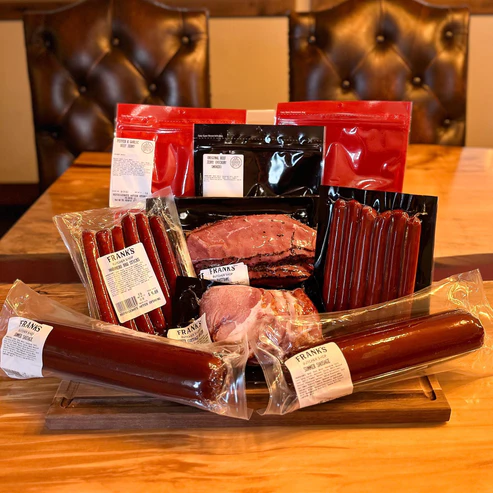
If you like keeping jerky on hand for road trips, hikes, or busy weeks, buying in a bit of volume can make sense, as long as you store it properly. Frank's Snack Bundle is a good option if you want a mix of jerky and other snack products on hand at once rather than committing to a single flavor.
Just remember that stocking up means paying closer attention to how each bag is stored once it's opened. Splitting a large amount into smaller airtight portions, or freezing what you won't eat within a week, helps you avoid waste instead of ending up with jerky that's gone past its best window.
Frequently Asked Questions
Does beef jerky need to be refrigerated?
No. Beef jerky is shelf-stable and doesn't require refrigeration to stay safe before it's opened. Once opened, it's best stored in an airtight container in a cool, dry place.
How long does an unopened bag of beef jerky last?
Store-bought jerky can last for months unopened, thanks to the drying process and sealed packaging that keep moisture out.
Can you freeze beef jerky?
Yes. Freezing is a good option if you want to extend an opened bag's shelf life beyond what a countertop or pantry allows. Well-sealed jerky holds up well in the freezer.
What's the first sign that jerky has gone bad?
Visible mold and an off or sour smell are the clearest warning signs. If either shows up, it's best to throw the jerky out rather than risk eating it.
Is it safe to eat jerky past its printed date if it looks and smells fine?
An unopened, properly stored bag that shows no signs of mold, moisture, or off odor is generally still fine to eat shortly after a best-by date, since that date reflects peak quality rather than a hard safety cutoff. When in doubt, the visible and smell-based warning signs matter more than the date alone.
Getting the Most Out of Every Bag
Beef jerky earns its shelf-stable reputation through the drying process that removes most of its moisture, but that long shelf life still depends on how it's stored, especially once a bag is open. Keep it sealed, keep it cool and dry, and pay attention to mold, smell, and texture, and a bag of jerky will reliably last as long as it's supposed to.
Whether you're reaching for the classic Beef Jerky (Teriyaki Flavor) or another favorite from Frank's Butcher Shop, a little attention to storage means every bite tastes the way it should.

Comments
Post a Comment