Hot vs Sweet Italian Sausage: The Real Difference and When to Use
If a recipe calls for Italian sausage and just says "hot" or "sweet," it's easy to grab the wrong one and end up with a dish that's either too mild or way spicier than you planned. The two aren't interchangeable flavors of the same sausage; they're seasoned differently from the start, and that changes how they cook, how they taste, and what they pair with.

Frank's Butcher Shop carries Pork Hot Italian Sausage, made with a balance of crushed red pepper for real heat. Here's how it actually differs from sweet Italian sausage, why the names can be misleading, and how to decide which one belongs in your next meal.
What Makes Italian Sausage "Hot" or "Sweet"?
Both hot and sweet Italian sausage start from the same base: coarsely ground pork seasoned with fennel seed, garlic, and Italian herbs like oregano or parsley. That shared base is why the two can look almost identical in the case, even though they taste noticeably different once cooked. The difference between them comes down to one added ingredient.
Hot Italian sausage adds crushed red pepper or chili flakes to that base, giving it real, noticeable heat alongside the fennel and garlic. The heat level varies by brand, but it's meant to be felt, not just implied.
Sweet Italian sausage skips the heat entirely. It's called "sweet" because of the fennel's naturally sweet, anise-like aroma and flavor, not because sugar is added anywhere in the recipe. It's simply the mild version, built around the same herbs without the pepper kick.
So the real difference isn't sweetness versus savoriness, since neither one is actually sweet in the way a dessert is. It's the presence or absence of heat, layered onto the same fennel-and-garlic foundation both styles share.
Frank's Hot Italian Sausage: What to Expect
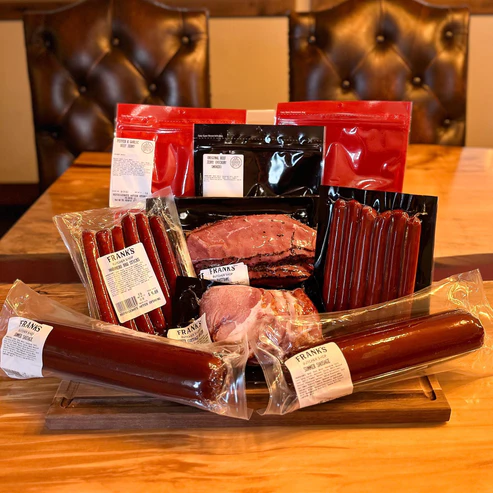
Frank's Pork Hot Italian Sausage comes packaged as 1lb rolls of traditional Italian sausage with a balanced amount of crushed red pepper worked through it. It's built for dishes where you want the pepper to come through clearly without overwhelming everything else on the plate.
For a different format, Pork Hot Italian Sausage Links deliver the same spicy, herbaceous flavor in link form, which holds together well whether you leave the links whole on the grill or slice them into a pasta dish.
The rolled sausage is best browned on the stovetop without stirring too much, which lets it develop caramelized bits on the surface for real texture and depth once it's broken up. Frank's specifically recommends it for lasagna and pasta dishes, where that rendered fat and spice work into the sauce as it simmers. The links follow the same general idea, sliced in and cooked through, for a quicker way to get the same flavor into a pasta dish.
When to Use Hot vs. Sweet in Recipes
The right choice usually comes down to what else is in the dish and who's actually eating it.
Reach for hot Italian sausage when:
The recipe already has bold flavors that can stand up to some heat, like a marinara built with garlic and red pepper flakes
You're building a dish where the sausage itself is the main flavor, like a baked pasta, stuffed pepper, or sausage-and-peppers skillet
You and the people you're cooking for genuinely like spice and want to taste it
Reach for sweet Italian sausage when:
You're cooking for kids or anyone sensitive to spice
The dish has delicate flavors you don't want to compete with, like a cream-based sauce or a mild soup
You want the fennel and herb flavor to lead the dish, without any heat pulling attention away from it
If a recipe calls for one and you only have the other on hand, you can usually swap them, but the finished dish will taste noticeably different. Swapping hot sausage in for sweet adds real spice to a dish that wasn't built to handle it, and going the other way mutes a flavor the recipe was counting on to carry the dish.
If You Want Something Milder

Frank's doesn't currently carry a sweet Italian sausage, so if you're looking for a milder, less spicy option from the shop, Pork Bratwurst is worth a look. Frank's describes it simply as a classic, mild, juicy brat with a good snap; a different style of sausage entirely, German rather than Italian, and typically built around warm, savory spices like nutmeg rather than fennel and garlic. Like sweet Italian sausage, it carries no heat at all, which makes it a reasonable stand-in when a recipe wants something gentler than Frank's hot Italian sausage delivers.
For a full breakdown of how a German-style sausage like bratwurst actually compares to a smoked sausage like kielbasa, including flavor, texture, and how each one cooks, Frank's Bratwurst vs. Kielbasa guide walks through the differences in detail.
Cooking Tips for Better Italian Sausage
A few habits make a real difference no matter which heat level you're working with.
Brown it in a hot pan and resist the urge to stir constantly. Letting the sausage develop a crust before breaking it up gives the finished dish noticeably more depth than sausage that's stirred and crumbled right away.
Cook it all the way through before adding it to a sauce or dish that won't simmer long enough on its own to fully cook raw pork.
If you're working with links rather than loose sausage, slicing them before adding to pasta or grain dishes helps the flavor distribute more evenly through the dish than leaving them whole.
Pair it with a sauce or dish that can handle its fat content. Frank's sausage renders flavorful fat as it cooks, which is part of what makes it work so well stirred into a simmered pasta sauce rather than eaten completely on its own.
If sausage in general is a regular part of your cooking, Frank's Summer Sausage & Kielbasa guide is a useful companion read, covering how Frank's other ready-to-eat smoked meats are made and best served.
Frequently Asked Questions
Is hot Italian sausage the same as spicy sausage in general?
Not necessarily. "Spicy sausage" is a broad term that can mean many different seasoning blends. Hot Italian sausage specifically refers to the fennel-and-garlic Italian base with crushed red pepper added, which gives it a distinct flavor beyond just heat.
Does sweet Italian sausage contain sugar?
No. The "sweet" name refers to the naturally sweet, anise-like flavor of fennel seed, not added sugar. Sweet Italian sausage is simply the version made without hot pepper.
Can I make a dish less spicy if I only have hot Italian sausage?
Yes. Cooking it alongside mild ingredients, like extra vegetables, cream, or cheese, can help balance out the heat, though it won't remove it entirely. Draining off excess rendered fat can also reduce some of the spice that's carried in the oil.
What's the best way to cook Frank's Hot Italian Sausage for pasta?
Brown it in a hot pan without stirring too often, so it develops caramelized bits on the surface. Once it's cooked through, break it up and mix it into your sauce or pasta dish for the best flavor and texture.
Choosing the Right Heat Level
Hot and sweet Italian sausage share the same fennel-and-garlic foundation; the only real difference between them is whether crushed red pepper is added for heat. Once you know that, picking between them comes down to the dish you're making and how much spice you actually want in it.
If bold, peppery flavor is what you're after, Frank's Pork Hot Italian Sausage and its link version are built for exactly that. And for game day or a weeknight cookout where sausage is the centerpiece, Frank's All-Beef Hot Dogs guide rounds out the lineup with another grilling-friendly option worth keeping on hand.

Comments
Post a Comment